
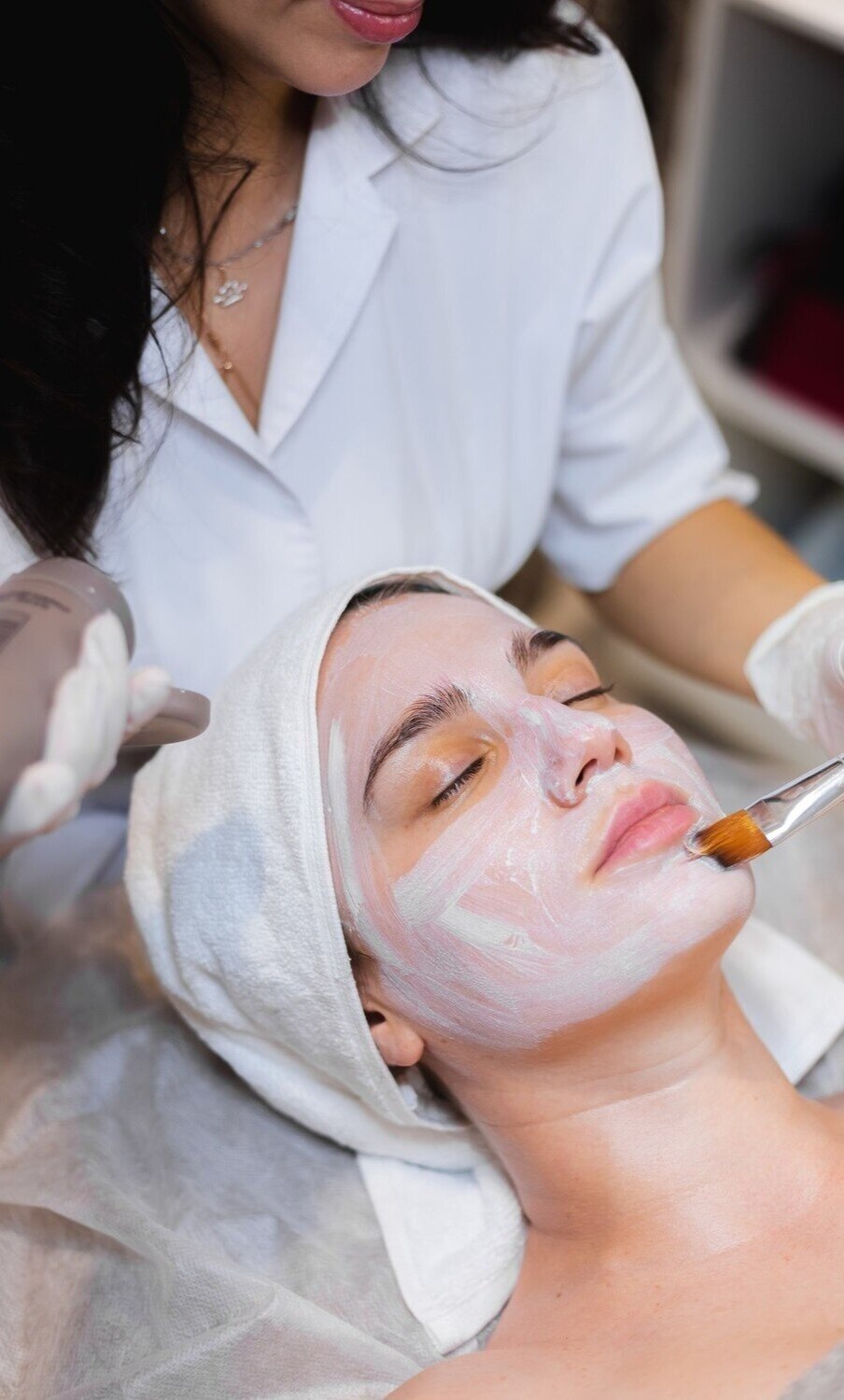
Nanoplastia can produce a smooth-looking finish while still exposing hair to chemical ingredients, fumes and high heat. By the end, you will know how to compare formulas, identify unsuitable hair conditions, question safety claims and decide whether a salon consultation is justified.
Key takeaways
- Check the ingredient label and required flat-iron temperature before booking.
- Avoid nanoplastia on severely damaged, breaking, or recently overprocessed hair.
- Ask about strand testing, ventilation, aftercare, and the exact product used.
- Compare nanoplastia with keratin treatments and chemical straightening before choosing.
What Nanoplastia Contains and How It Differs from Other Straightening Services
Nanoplastia is a marketing term, not one internationally standardised chemical formula. Products sold under it may combine amino acids, hydrolysed proteins, oils, conditioning agents and glyoxylic-acid derivatives. The ingredient label and required flat-iron temperature matter more than the word “nano”; “nanotechnology,” “organic” and “no damage” do not prove a product is gentle.
It usually smooths and reduces frizz rather than permanently changing every new section of hair.
| Service | Typical chemistry or action | Main difference |
|---|---|---|
| Nanoplastia | Variable blends, sometimes including glyoxylic-acid derivatives, amino acids and proteins | Formula and heat vary by brand; results gradually fade from treated lengths |
| Keratin treatment | Protein-based conditioning with a smoothing active and heat | “Keratin” describes a category, not one formula or guaranteed straightness |
| Brazilian blowout | Smoothing solution activated by blow-drying and flat-ironing; formulas differ | Some products use aldehydes, glyoxylic derivatives or other actives, so check the label and ventilation |
| Rebonding | Chemical bond reduction followed by neutralisation and reshaping | Permanently changes treated bonds; new growth remains natural and creates a visible line |
| Japanese straightening | Thermal reconditioning using a reducing agent, heat and neutraliser | Produces a straighter, more permanent result than a fading smoothing service |
| Hair Botox | Deep-conditioning “filler” treatment, usually proteins, oils and humectants | No botulinum toxin; it mainly improves feel, shine and manageability rather than straightening |
For nanoplastia advanced beauty treatments, compare the full ingredient list, processing heat, ventilation and your previous chemical history. “Smoothing,” “relaxing” and “permanently straightening” are different goals.
What Happens During a Nanoplastia Appointment
A complete nanoplastia appointment should include a consultation, hair testing, chemical application, controlled heat, and final styling—not just a cream followed by a hot iron.
1. The stylist should inspect your scalp, colour history, bleach damage, porosity and previous straightening. Disclose asthma and fragrance, preservative or hair-dye reactions before any product is opened.
2. Request a strand test. The stylist should check for excessive stretching, snapping, roughness or colour change after processing. This test cannot guarantee that your full head will tolerate the formula or its fumes.
3. Hair is usually cleansed before the product is applied section by section. Ask for the full ingredient label, manufacturer instructions and safety data sheet where available. “Natural,” “organic” and “formaldehyde-free” do not prove that heating the product is exposure-free.
4. Confirm the processing time and whether the product touches your scalp. A longer dwell time is not automatically a better result; it can increase irritation and weakening on porous hair.
5. The hair is blow-dried before flat-ironing. This is a major exposure point because heat can create airborne vapour or aerosol. Burning eyes, nose or throat irritation, strong fumes, coughing or breathing difficulty are reasons to stop.
6. Ask for the iron’s exact temperature, such as 180°C or 200°C, the number of passes and the ventilation plan. Excessive heat can worsen breakage even when the hair looked healthy beforehand.
Final rinsing or styling follows the product instructions. Discuss what happens if your scalp reacts or the hair snaps; these are real nanoplastia treatment problems, not merely complaints about finish.
Which Hair Conditions Suit Nanoplastia—and Which Do Not
Hair that is strong, moderately porous and free from scalp irritation is the best starting point. Very porous, bleached or repeatedly heat-damaged hair needs greater caution because high heat and product weight can turn roughness into breakage.
| Condition | More suitable | Delay or avoid |
|---|---|---|
| Healthy, virgin hair | Smoothing with controlled heat | Avoid if the formula or temperature is undisclosed |
| Bleached or highlighted hair | Only after a strand test confirms strength | Stop if the strand stretches, snaps or feels gummy |
| High-porosity, dry hair | A lower-heat plan with realistic smoothing goals | Avoid aggressive straightening or repeated passes |
| Dark or recently coloured hair | Expect possible fading and check colour compatibility | Postpone if preserving fresh colour is essential |
| Sunburned, abraded or inflamed scalp | Wait until the skin is fully recovered | Do not use treatment to hide an unexplained scalp problem |
Your chemical history matters more than the label. Tell the stylist about bleach, permanent colour, relaxers, rebonding, henna and previous smoothing services; overlapping processes can weaken the same lengths. Ask how the product’s required temperature and ingredient list fit that history, since “nanoplastia” has no single global formula.
Disclose asthma or reactions to hair dye, fragrance or preservatives before advanced beauty treatments in mohali. Stop and seek medical advice if you have active scalp disease, open skin or a known ingredient allergy; a previous uneventful appointment does not prove the next formula is safe.
The Problems That Can Appear After the Smooth Finish
Problems can appear immediately, after several washes, or as the untreated roots grow in. Common nanoplastia treatment problems include:
- Hair feeling dry, stiff, waxy or unusually coated after styling
- Scalp burning, itching or redness from product contact or fumes
- Breakage when high heat meets porous, bleached or previously straightened hair
- Ends looking smoother at first, then splitting or snapping as temporary conditioning fades
Delayed damage is easy to miss because the first finish can hide roughness. Excessive flat-ironing can weaken the fibre, while a strong or poorly matched formula can leave hair brittle, limp or difficult to style. Conditioning ingredients improve shine and combability; they cannot fuse a split end back together, so trimming remains the fix.
A smooth finish also fades in patches rather than switching off on one date. Treated lengths have been processed, while new growth keeps your natural texture.
Humidity, frequent washing, friction and different porosity across the head then expose the contrast: roots can swell or curl while the mid-lengths remain straighter, and worn ends can lose smoothness before healthier sections do.
The label “nanoplastia” does not guarantee one formula or one result. Heat level, hair history, starting texture and aftercare affect durability, but maintenance products cannot make new growth behave like treated hair. Repeating the service too soon can layer heat and chemical stress onto already processed lengths, increasing breakage instead of restoring uniformity.
Questions to Ask Before Choosing a Nanoplastia Service in Mohali
Do not book a nanoplastia treatment in Mohali on the package name or “organic” claim alone. Ask The Fashion Habib Smart Salon, or any local provider, for evidence about the product, process and person handling your hair.
- Can I see the complete ingredient label, manufacturer instructions and safety data sheet, if available?
- What temperature will you use for blow-drying and flat-ironing, and how will you adjust it for bleached, fine or fragile hair?
- Where will fumes go, and what ventilation operates during application and ironing?
- Will you perform a strand test and inspect my scalp before applying the product?
- How will my previous bleach, dye, rebonding or other chemical services change the plan?
- What aftercare, realistic duration and repeat interval apply, and what happens if my hair breaks or my scalp reacts?
| Question | A useful answer includes | Warning sign |
|---|---|---|
| Formula | Named product, ingredients and written instructions | “Natural” or “no damage” without documents |
| Heat | A stated temperature range and adjustment for your hair | One temperature for every client |
| Ventilation | Open airflow or mechanical extraction during vapour-producing steps | Strong fumes in an enclosed room |
| Testing | Strand test for stretch, snapping and colour change; scalp assessment | Immediate full application |
| Aftercare | Washing, heat, tying and product instructions in writing | Promises of permanent results |
| Experience | Photos or records of comparable chemically treated hair | No plan for bleached lengths |
Postpone any hair smoothing treatment in Mohali if your scalp is sunburned, abraded, inflamed or recently irritated. Asthma or fragrance, preservative or dye reactions also belong in the consultation; a test cannot guarantee zero reaction during the full service.
Related service
Hair Treatment ₹3000 Ultra Smooth, Straight & Frizz-Free Hair Experience next-level hair transformation with our Nanoplastia Treatment, an advanced smoothing solution... View service → |
Frequently asked questions
What does nanoplastia contain?
Nanoplastia is not an internationally standardised formula. Products can contain amino acids, hydrolysed proteins, oils, conditioning agents, and glyoxylic-acid derivatives, so check the ingredient label.
What problems can nanoplastia cause?
Possible problems include dryness, breakage, altered curl pattern, uneven results, scalp or eye irritation, and damage from excessive flat-iron heat. The risk depends on the product, hair condition, application, and temperature.
Who should avoid nanoplastia?
Avoid it when hair is severely damaged, breaking, overprocessed, or too weak to tolerate repeated high heat. Ask for a strand test if your hair has bleach, colour, relaxer, or another chemical treatment.
What should you ask before booking nanoplastia in Mohali?
Ask for the product name, ingredient list, required flat-iron temperature, strand-test policy, ventilation arrangements, expected results, aftercare instructions, and how the service is adapted to your hair history.