A bridal hair-color decision involves more than choosing a shade from a photograph. You need to weigh chemical history, testing, timing, hairstyle, lighting, maintenance and the risks of a rushed correction before deciding whether professional help is worth it.
Key takeaways
- Book bridal hair color four to eight weeks before the ceremony.
- Take wedding photos, outfit images and your current product details to the consultation.
- Choose color technique alongside your hairstyle, neckline and wedding-day lighting.
- Avoid first-time home color when correction time could threaten your wedding schedule.
When is professional bridal hair color worth choosing over home color or natural hair?
| Option | Best fit | Main trade-off |
|---|---|---|
| Natural shade | Damaged hair, a close ceremony, or a hairstyle with enough visual impact | Lowest risk, but no added tone or dimension |
| Home color | A familiar root touch-up using a proven formula | Less control over uneven lift, brassiness, overlapping dye and correction time |
| Regular salon | A straightforward, known color service | Skill and bridal coordination vary between stylists |
| Bridal specialist | A new shade, highlights, lightening or a color-and-style plan | Higher cost, but better assessment and recovery planning |
Professional bridal hair color earns its place when the result must survive close photographs, varied lighting and a planned hairstyle. The service involves more than application: the stylist should assess previous bleach, permanent color, henna, keratin, rebonding and smoothening, then distinguish deposit-only color from lightening and protect fragile lengths.
Keep your natural shade when the hair is breaking, the ceremony is near, or the hairstyle already supplies the visual impact. Home color can suit a familiar root touch-up, not an experimental blonde or full-head change.
When comparing hair and beauty experts in Mohali, ask:
- Who performs the color service?
- Is consultation and strand testing included?
- Which color system and developer strength will be used?
- How will previously treated or fragile hair be protected?
- How are corrections handled if the result is uneven or unlike the agreed plan?
Choose a specialist when you need chemical-history assessment, controlled lightening or coordination with your dress, makeup and bridal styling. A regular salon is reasonable for a proven, uncomplicated service.
How early should you color your hair before the wedding?
Book hair color before a wedding early enough to see the result in daylight, assess hair condition, and allow any scalp reaction to appear before the ceremony. Your timing depends on whether the service is new, familiar, or already proven.
| Service | Timing plan | Why it matters |
|---|---|---|
| First-time color, major shade change, bleach, highlights or balayage | Book well ahead of the wedding, then leave time for a refinement or gloss | You need time to evaluate lift, tone, dryness, breakage and the final bridal hair color under different lighting |
| Familiar maintenance appointment | Schedule closer to the wedding once the shade and processing history are known | The formula has already shown how your hair responds |
| Last-minute root touch-up | Use only a proven formula and application | Do not experiment with a new blonde, vivid tone or full-head transformation before the ceremony |
A strand test and an allergy test answer different questions. The strand test predicts shade, lift, processing time and hair strength; it does not prove that the product is safe for your scalp. Follow the product’s patch or allergy-test instructions before each use, even after previous safe applications.
Do not color an irritated, sunburned or scratched scalp. If the main service is a first-time transformation, do the test and appointment early enough to observe the result rather than relying on a rushed correction. Familiar bridal hair color maintenance offers less uncertainty, but it still requires the product’s instructed safety checks.
What should you take to a bridal hair-color consultation?
Take evidence, not only an inspiration image. Bring photographs of your dress, fabric, jewelry, planned hairstyle, veil and accessories, plus clear current-hair photographs taken in daylight. This gives the stylist a basis for matching tone, contrast and texture.
1. Write down dates and approximate products used for bleach, permanent or demi-permanent color, keratin, rebonding, smoothening, henna, progressive dye and color remover. Include your natural hair depth, gray percentage and any previous reactions.
2. Explain how much upkeep you can manage while travelling or preparing for the wedding. Ask the stylist to record whether the plan is temporary, deposit-only, demi-permanent or permanent, because semi-permanent color usually deposits tone rather than reliably lifting hair and may not cover resistant gray.
3. Ask who will perform the service, which color system and developer strength they will use, how treated lengths will be protected and how corrections are handled. These questions matter when comparing hair color in Mohali by process rather than price.
4. Request a strand test before a difficult transformation. Previously colored hair cannot usually be lightened with ordinary permanent color alone, while henna or an unknown dark product can make bleaching unpredictable.
Arrange a color-and-style trial with extensions, the veil and accessories when possible. Check the result in daylight, warm indoor light and camera flash; each setting can change how the tone appears. A trial also reveals whether the color supports the hairstyle and makeup.
Which bridal color technique will photograph well with your hairstyle and outfit?
Choose the visual effect before choosing a trend name. Global color gives one controlled shade for a polished hairstyle; highlights place contrast around curls, braids or an updo without changing every strand.
| Technique | Visual effect | Best fit |
|---|---|---|
| Global color | One even, polished shade | Controlled styles and strong dress contrast |
| Highlights | Selective brightness and contrast | Updos, braids and waves needing definition |
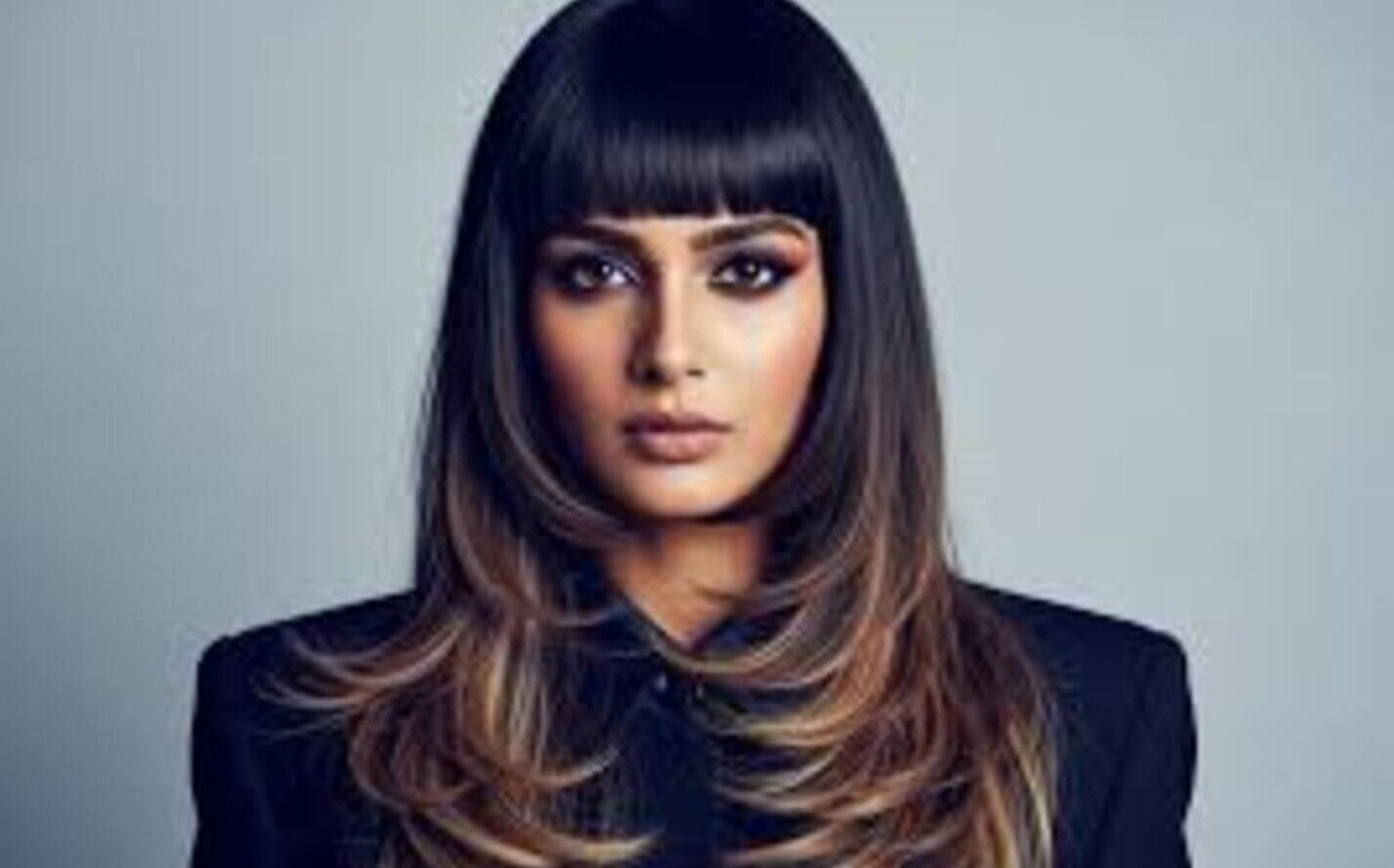
| Balayage | Soft dimension with less obvious regrowth | Close-to-natural bridal hair color and lower maintenance |
| Ombré | Color transition concentrated toward the lengths | Down hairstyles where the ends remain visible |
| Gray coverage | Opaque coverage with root upkeep | Brides prioritizing a uniform shade |
| Root touch-up | Corrects visible regrowth | A proven formula close to the ceremony |
| Gloss or tone adjustment | Adds shine or refines warmth without maximum lift | Existing color that needs polish, not major lightening |
Your skin undertone, natural hair depth, dress color, jewelry and veil placement change the result. A delicate hairstyle needs dimension that shows braid or wave detail, while a dark dress needs enough hair contrast to avoid a flat outline.
Compare the proposed shade in daylight, warm indoor light and camera flash; the same tone can look cooler, brighter or more copper under each setting. Ask hair and beauty experts hair color in Mohali to test the bridal style with the veil and accessories, not color alone.
The Fashion Habib Smart Salon can make that consultation useful if it records the formula, test result and planned color-and-style trial. Search for hair color in Mohali by process, not price.
Related services
Hair Treatment ₹2500 Give your hair a fresh, vibrant makeover with our expert Hair Color services. View service → |
Hair Treatment ₹100 Hair Setting – Perfect Style That Lasts All Day Get a flawless and long-lasting hairstyle with our professional Hair Setting service. View service → |
What can go wrong when bridal color is booked too close to the ceremony?
A late appointment is a go only when there is time for the color to settle, the scalp to recover and a correction before the ceremony. Rushed color can leave an uneven tone, brassiness, dryness, breakage, scalp irritation, or a shade that clashes with your trial hairstyle and makeup.
| Option | Safer late-appointment choice | Use it when |
|---|---|---|
| Postpone or keep natural | No chemical change | The hair is fragile, the scalp is irritated, or recovery time is too short |
| Conservative gloss | Adds tone and shine with limited lift | You want refinement rather than a new shade |
| Proven root service | Repeats a formula and application already tested | Only familiar regrowth needs attention |
| Dimensional highlights | Creates contrast without lightening every strand | The stylist confirms the hair can tolerate selective lightening |
Bleach carries the greatest structural risk because oxidative lightening weakens the hair fiber, especially when lightener overlaps already-lightened lengths. Disclose recent rebonding, smoothening, permanent waving, bleaching, henna, progressive dye or unknown dark color; these can make bleaching unpredictable.
Ask hair and beauty experts in Mohali who performs the service, which products and developer will be used, and how correction is handled.
Do not color a scratched, sunburned or irritated scalp. Do not mix systems or leave dye on longer than directed; rinse thoroughly after processing.
- Seek medical attention for facial or eyelid swelling, blistering, widespread rash or rapidly worsening symptoms.
- Treat breathing difficulty or marked swelling as an emergency.
For hair color before a wedding, choose professional color only when consultation, testing, trial and correction time remain. Otherwise choose a proven root service, conservative gloss or no color.
Frequently asked questions
When is professional bridal hair color worth choosing over home color or natural hair?
Professional bridal hair color is worth choosing when you need correction, dimensional color, gray coverage, a major change or coordination with your hairstyle and outfit. Keep your natural shade when your hair is damaged, the ceremony is close or the hairstyle already provides visual impact. Home color suits a familiar root touch-up using a formula you have already tested.
How early should you color your hair before the wedding?
Schedule a first-time color or major change four to eight weeks before the wedding, leaving time for adjustments. Book a final gloss, toner or root service close enough to look fresh but not so close that an unexpected result cannot be corrected. Your stylist can set the exact schedule after assessing your hair history.
What should you take to a bridal hair-color consultation?
Take recent photos of your hair in daylight, your wedding hairstyle references, outfit and jewelry images, and details of previous color, bleach, keratin or chemical treatments. Tell the stylist about allergies, hair damage, washing habits and the ceremony date. Ask for a strand test when the planned service involves lightening or a major color change.
Which bridal color technique will photograph well with your hairstyle and outfit?
Balayage and fine highlights create dimension in loose waves, while a gloss refines tone without major lightening. Face-framing pieces draw attention to an updo or veil, and a single polished shade can suit structured hairstyles and detailed outfits. Choose the technique after considering hair texture, neckline, jewelry, wedding lighting and how much maintenance you want.
What can go wrong when bridal color is booked too close to the ceremony?
A late appointment leaves little time to correct uneven lift, brassiness, an unwanted tone, banding from overlapping dye or dryness from chemical processing. New color can also look different under indoor, daylight and flash photography. Keep a correction window between the service and ceremony, especially after bleach or a first-time color change.